
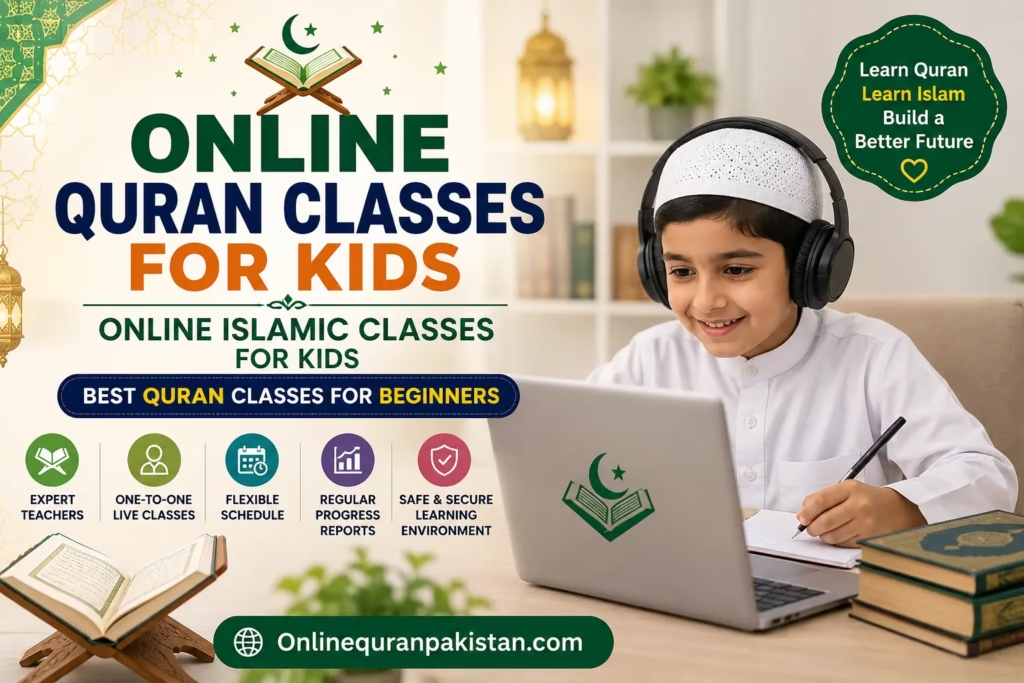
Parents today want more than just convenience when choosing a Quran academy. They want qualified teachers, flexible schedules, engaging lessons, and a safe learning environment where their children can build a lifelong connection with Islam. Recent online Quran academies have responded by offering one-to-one live classes, male and female tutors, structured progress reports, and free trial lessons for families worldwide.
Whether you are searching for online Quran classes for kids, online Islamic classes for kids, or the best Quran classes for beginners, this guide will help you understand everything you need to know before enrolling your child.
Why More Parents Are Choosing Online Quran Learning
A decade ago, many families relied only on local mosques or neighborhood tutors for Quran education. Today, online learning has transformed that experience. Parents living in the USA, UK, Canada, Australia, and Europe often have busy schedules or limited access to qualified Quran teachers. Online Quran academies solve this challenge by allowing children to learn from home through live video sessions with experienced tutors.
Modern academies usually provide one-to-one classes instead of large group lessons. This allows teachers to focus entirely on one child, correct pronunciation immediately, and adjust lessons according to the student’s learning speed. Many platforms also offer flexible class timings, weekly progress reports, and free trial classes so parents can evaluate the teaching style before enrolling.
For parents, this means less travel, greater flexibility, and the confidence that their child is receiving personalized Islamic education regardless of where the family lives.
Benefits of Online Quran Classes for Kids
One of the biggest advantages of online Quran learning is convenience. Children can attend lessons in a familiar environment, which often helps them feel more relaxed and confident. Instead of spending time commuting, they can dedicate that energy to learning and practicing their recitation.
Another important benefit is individual attention. In a traditional classroom, one teacher may be responsible for many students. During one-to-one online classes, every minute is focused on a single learner. The teacher notices pronunciation mistakes quickly, answers questions immediately, and adapts the lesson to the child’s pace. Many academies also provide qualified male and female teachers, allowing families to choose the option they are most comfortable with.
Parents also appreciate flexible scheduling. Morning, evening, and weekend classes make it much easier to fit Quran learning around school, homework, sports, and family activities.
What Children Learn in an Online Quran Academy
A quality Quran academy offers much more than simply reading Arabic words. Lessons are usually organized into stages so students build confidence gradually.
A beginner typically starts with Noorani Qaida, where they learn Arabic letters, pronunciation, and joining rules. Once this foundation is complete, students move on to Quran reading with proper fluency. Tajweed lessons teach the correct pronunciation of every letter so children recite beautifully and accurately.
As students progress, many academies introduce Quran memorization (Hifz), daily duas, Salah, stories of the Prophets, Islamic manners, and basic Islamic beliefs. This balanced approach helps children understand not only how to read the Quran but also how to practice Islamic values in everyday life.
| Course | Purpose |
| Noorani Qaida | Learn Arabic letters and pronunciation |
| Quran Reading | Read the Quran fluently |
| Tajweed | Correct pronunciation and recitation |
| Hifz | Memorization of selected Surahs or the entire Quran |
| Islamic Studies | Learn beliefs, manners, and daily Islamic practices |
| Daily Duas | Build practical Islamic habits |
Best Quran Classes for Beginners
Starting the Quran journey can feel overwhelming, especially for children who have never studied Arabic before. That is why beginner-friendly classes are so important.
The best Quran classes begin with simple lessons instead of expecting children to read full Quranic verses immediately. Teachers first introduce Arabic letters, short vowels, and pronunciation through interactive exercises. Children gradually build confidence before moving to words, sentences, and complete Surahs.
Patient teachers play a huge role during this stage. They encourage students instead of rushing them, making learning enjoyable rather than stressful. This positive experience often creates a lifelong love for reading the Quran.
How Online Islamic Classes for Kids Build Strong Character
Learning the Quran is only one part of a child’s Islamic education. A well-designed online Islamic class also teaches children how to become kind, honest, respectful, and responsible Muslims. These lessons connect Quranic teachings with daily life, helping children understand how to practice Islam beyond reading Arabic text.
For example, children learn the importance of telling the truth, respecting parents, showing kindness to neighbors, sharing with others, and maintaining good manners. Teachers often explain these values through stories from the Quran and the life of Prophet Muhammad (ﷺ). Young learners relate to these stories easily because they contain practical examples of patience, forgiveness, generosity, and compassion.
Interactive teaching methods make these lessons even more effective. Instead of listening to long lectures, children participate in discussions, answer questions, and complete simple activities that reinforce Islamic values. Many academies also encourage students to memorize daily duas and understand their meanings so they can apply them in everyday situations.
As children continue learning week after week, these small lessons gradually shape their character. Parents often notice improvements in discipline, confidence, respect, and responsibility. This is one of the greatest benefits of enrolling children in a quality online Islamic academy, because the goal is not only to teach the Quran but also to help children become practicing Muslims with excellent character.
Choosing the Right Quran Teacher for Your Child
Not every Quran teacher uses the same teaching style. Finding the right teacher can make a huge difference in your child’s learning experience.
A qualified teacher should have excellent Quran recitation skills, proper knowledge of Tajweed, and experience teaching children. Young students require patience, encouragement, and creativity. A teacher who understands how children learn can keep lessons engaging without making them feel overwhelmed.
Many parents also prefer female Quran teachers for daughters or younger children. Reputable online academies usually offer both male and female tutors, allowing families to choose the teacher they feel most comfortable with. This flexibility has become one of the reasons why online Quran academies continue to grow in popularity worldwide.
Communication is another important factor. Teachers should regularly update parents about attendance, lesson progress, strengths, and areas that need improvement. Weekly or monthly progress reports help parents stay involved in their child’s Quran journey.
Before enrolling, take advantage of the academy’s free trial class. This gives you the opportunity to observe the teacher’s communication style, teaching methods, and interaction with your child. If your child feels comfortable and motivated after the trial, it is usually a good sign that the teacher is a suitable match.
Features of the Best Online Quran Academy
With hundreds of Quran academies available online, choosing the right one can seem difficult. Looking beyond attractive websites and focusing on educational quality is the best approach.
The best academies usually offer:
| Feature | Why It Matters |
| One-to-One Live Classes | Personalized learning and faster improvement |
| Certified Quran Teachers | Accurate Quran recitation and Tajweed |
| Male & Female Tutors | Parents can choose according to preference |
| Flexible Scheduling | Fits around school and family routines |
| Free Trial Classes | Allows families to evaluate teaching quality |
| Progress Reports | Keeps parents informed about improvement |
| Interactive Lessons | Keeps children engaged and motivated |
| Secure Learning Environment | Safe online experience for young students |
A professional academy should also have a structured curriculum. Students should know exactly what they will learn each month and how they will progress from beginner to advanced levels. Random lessons without a clear plan often slow down learning and reduce motivation.
What Parents Should Look for Before Enrolling
Parents play an important role in choosing the right Quran academy. Instead of focusing only on price, consider the overall quality of education your child will receive.
Look for academies that have experienced teachers, flexible class schedules, and positive student reviews. Ask about class duration, lesson frequency, teaching methods, and communication with parents. A transparent academy will answer these questions clearly and honestly.
Technology also matters. Stable video classes, clear audio, and easy-to-use learning platforms help children stay focused during lessons. Frequent technical problems can interrupt learning and reduce enthusiasm.
Another important factor is consistency. Learning the Quran requires regular practice. Choose an academy that encourages attendance, revision, and homework while keeping lessons enjoyable. Small daily improvements eventually lead to strong Quran reading skills.
Parents should also participate in their child’s learning journey. Even spending ten or fifteen minutes each day listening to your child’s recitation can significantly improve confidence and retention. Children are often more motivated when they know their parents value their progress.
Common Mistakes Parents Make When Choosing Quran Classes
Many parents unintentionally make decisions that slow their child’s progress. Understanding these common mistakes can help you choose a better learning experience.
One common mistake is selecting the cheapest academy without evaluating teaching quality. Low prices may seem attractive, but qualified teachers and structured programs usually provide much greater long-term value.
Another mistake is changing teachers too frequently. Every teacher has a unique teaching style, and children need time to build trust and confidence. Constantly switching tutors can interrupt progress and make learning confusing.
Some parents also expect immediate results. Learning Quran reading and Tajweed is a gradual process that requires patience and regular practice. Celebrating small improvements helps children stay motivated rather than feeling pressured to become fluent overnight.
Skipping revision is another frequent issue. New lessons are important, but reviewing previous material helps children retain what they have learned. A balanced routine that includes both new lessons and revision leads to better long-term success.
Finally, avoid enrolling children in programs that rely entirely on memorization without understanding. Encouraging children to learn the meanings of short Surahs, daily duas, and Islamic teachings helps them develop a deeper connection with the Quran and strengthens their faith.
Conclusion
Choosing the right online Quran classes for kids is one of the most valuable investments parents can make in their child’s future. A quality Quran education does much more than teach Arabic letters and correct pronunciation—it nurtures faith, builds confidence, strengthens Islamic values, and creates a lifelong connection with the words of Allah.
The best online Islamic classes for kids combine qualified teachers, personalized one-to-one instruction, interactive learning methods, and a structured curriculum. Whether your child is just beginning with Noorani Qaida, learning Quran reading with Tajweed, memorizing Surahs, or studying essential Islamic teachings, a supportive online learning environment can make the journey enjoyable and effective.
For beginners, patience is the key to success. Every child learns at a different pace, and the right teacher understands how to encourage progress without creating unnecessary pressure. Small, consistent lessons, regular revision, and positive reinforcement often produce better long-term results than rushing through the curriculum.
Parents also play a vital role in this journey. By encouraging regular attendance, practicing together at home, and celebrating milestones, families can help children develop both strong Quran recitation skills and a genuine love for learning Islam.
If you’re searching for the best Quran classes for beginners, choose an academy that offers:
- Experienced and qualified Quran teachers
- Male and female tutors
- One-to-one live online classes
- Flexible scheduling for international students
- Structured learning plans
- Regular progress reports
- Interactive and child-friendly teaching methods
- Free trial classes before enrollment
The right academy doesn’t just teach children how to read the Quran—it helps them understand its importance, practice Islamic values, and build habits that will benefit them throughout their lives.
Frequently Asked Questions (FAQs)
1. At what age should children start online Quran classes?
Most children can begin learning Noorani Qaida between the ages of 4 and 6, depending on their attention span and readiness. Starting early helps children develop proper Arabic pronunciation and familiarity with Quranic recitation while making learning feel natural and enjoyable.
2. Are online Quran classes as effective as in-person classes?
Yes. High-quality online Quran classes can be just as effective as traditional lessons, especially when they are conducted one-to-one with experienced teachers. Personalized attention, flexible scheduling, and regular parent updates often make online learning even more productive for many families.
3. How many classes should my child attend each week?
Most academies recommend 3 to 5 classes per week, depending on your child’s age, learning goals, and schedule. Regular attendance combined with daily revision at home leads to faster improvement in Quran reading and Tajweed.
4. Can beginners with no Arabic knowledge learn the Quran online?
Absolutely. Beginner programs are specifically designed for students with no previous Arabic experience. Children usually start with Noorani Qaida, learn Arabic letters and pronunciation, then gradually progress to reading the Quran with proper Tajweed.
5. What should parents look for in an online Quran academy?
Choose an academy that offers:
- Certified and experienced Quran teachers
- One-to-one live classes
- Male and female tutors
- Flexible class timings
- Child-friendly teaching methods
- Free trial classes
- Progress reports
- A structured curriculum covering Noorani Qaida, Tajweed, Quran reading, and Islamic Studies
These features ensure your child receives a high-quality learning experience in a safe and supportive environment.